Gran Cenote Near Tulum: Hours, Price, Rules, and Best Time
In this guide
Gran Cenote is a set of connected open and cave-fringed pools on the Tulum to Coba road, about 4 km from Tulum town. Recent 2026 sources put entry at around 500 MXN (roughly $27 USD) in cash, with doors opening at about 8:00 a.m. and last entry in the mid-afternoon. The two things to know before you go: do not wear sunscreen, and arrive when it opens, because tour groups fill the main pools from around 10:00 a.m. Gran Cenote has no official website that we could find, so the figures below come from recent operator and travel sources and should be confirmed at the gate.
What Gran Cenote is like
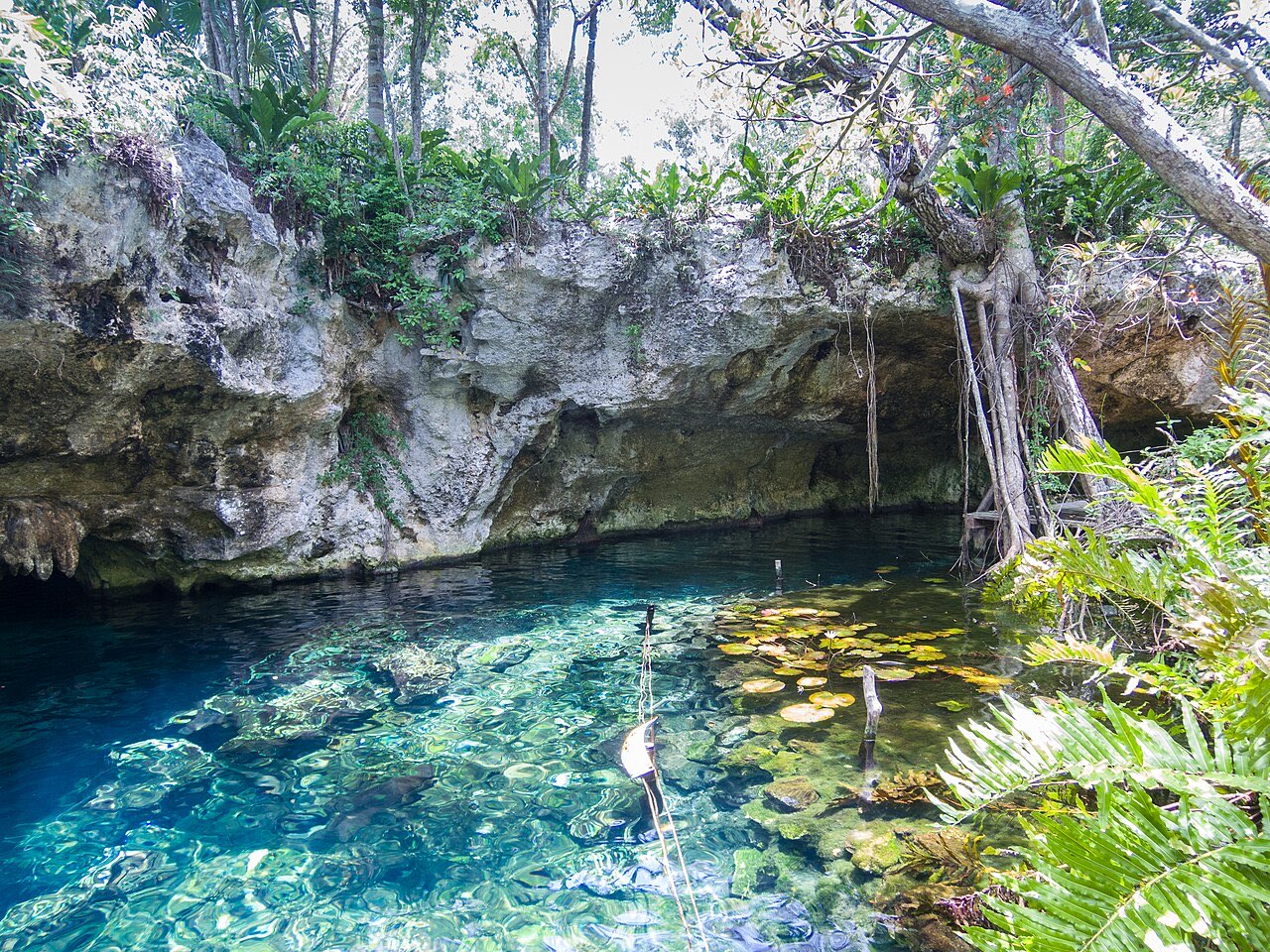
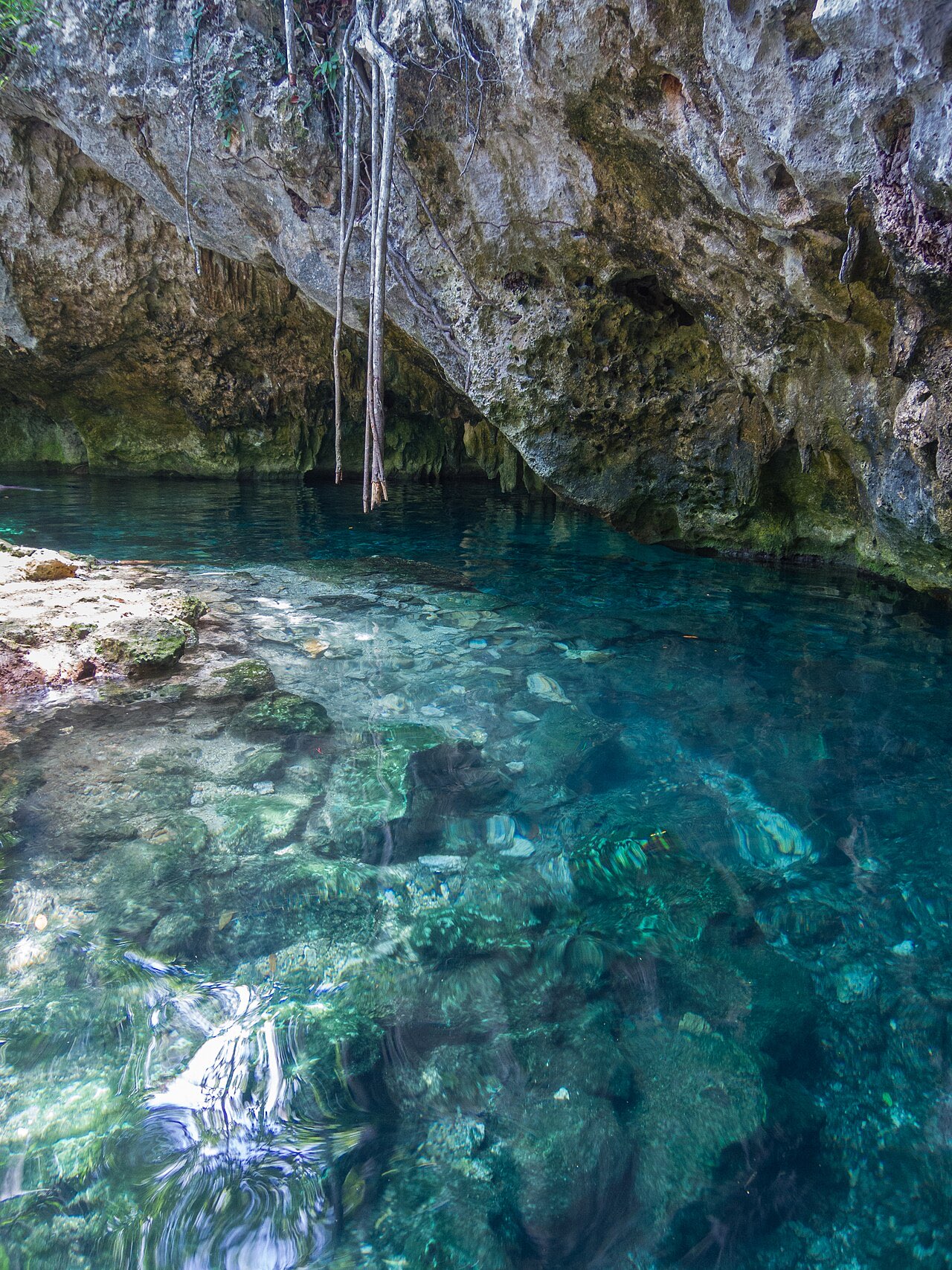
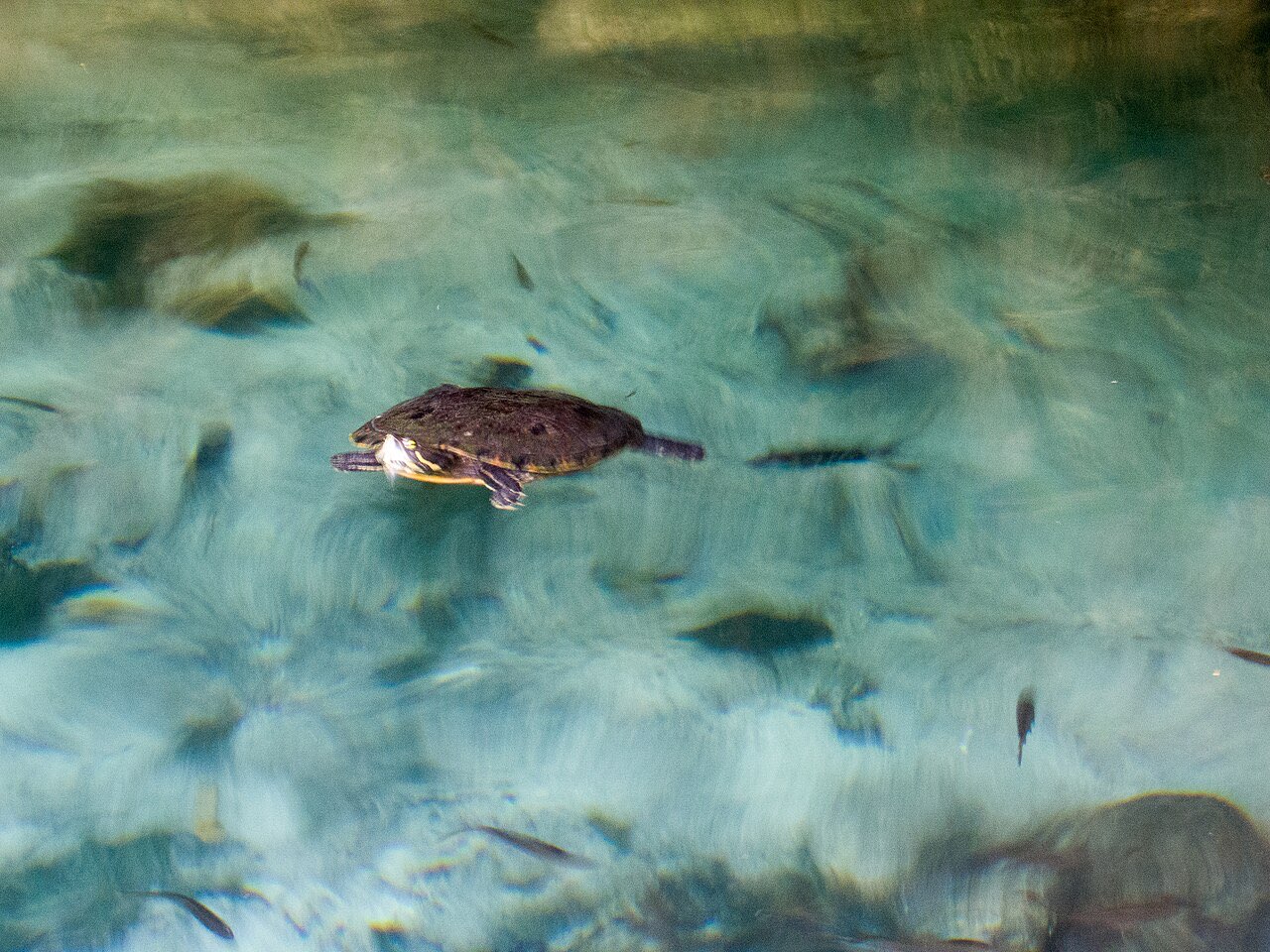
Despite the singular name, Gran Cenote is a cluster. Wooden walkways link several pools, including a river-like open-air section, a turtle pool and short cave passages. The water is clear, cool and shallow enough in places to snorkel without a deep dive. Freshwater turtles and small fish live in it, and there is a lawn above for drying off.
Our best cenotes guide explains the difference between open, semi-open and cave cenotes. Gran Cenote sits in the semi-open category: sunlight comes through openings in the limestone, but there are shaded cave sections at the edges.
Price, hours, and the numbers that disagree
This is where online information is messy. Here is what the sources say and how we handled each point.
| Item | What recent sources say (as of October 2026) | Confidence |
|---|---|---|
| Adult entry | About 500 MXN, cash (TT & More, CenotesWorld) | Medium |
| Older price | 180 MXN on an older operator page | Stale |
| Opening time | 8:00 a.m. in most 2026 sources; some say 9:00 or 10:00 | Medium |
| Closing time | About 4:45 p.m.; range reported 4:30 to 5:00 | Low to medium |
| Last entry | About 4:15 p.m.; one source suggests treating 3:30 p.m. as the safe limit | Low |
| Lockers | About 30 MXN | Medium |
| Snorkel mask rental | About 80 MXN | Medium |
| Parking | Free at the gate, according to one source | Low |
The 500 MXN fee is consistent across recent pages, but the opening time is not: some sources report 9:00 or 10:00 a.m. rather than 8:00 a.m., though most recent pages say 8:00 a.m. Because we cannot find an official page, the advice is to arrive at 8:00 a.m., and if the gate is not open yet, wait, because you will still beat the tour buses. Bring more cash than you think you need.
Rules that matter
No sunscreen or insect repellent. The sources agree on this and on the rule that you shower before you get in. A cenote is a closed freshwater system connected to the aquifer, so lotions wash off and accumulate. Use a rash guard, a hat and long sleeves for sun protection, and put on any sunscreen after you leave. Do not trust a “reef-safe” label. Our cenotes guide explains the reasoning in more detail.
Life jackets. One source says a life vest is compulsory and included in the ticket, and another says life jackets can be rented. Expect to be asked to wear one in some areas, and bring a swim vest if you are a weak swimmer.
Cameras. Blogs report that phones and GoPro-style cameras are fine, while professional cameras and tripods are restricted. We could not verify this from an official source, so do not assume it either way. If a good camera is the point of your trip, ask at the gate before paying.
Wildlife. Turtles are a regular sight. Do not chase, touch or feed them, and do not stand on the cave floor where you can damage it.
Valuables. Lockers are available for a small fee. Bring a waterproof pouch for your phone and keep passports at your hotel.
Best time to go
The consistent advice is to be there when the gate opens, ideally on a weekday. The first 90 minutes are the calm window, and tour groups arrive around 10:00 a.m. By late morning the main platforms are busy and the water is cloudy from many swimmers. The last couple of hours before closing can also be quieter, but you will have less time, and the late-afternoon light inside the cenote is dimmer.
The cenote’s water temperature stays roughly constant through the year, so there is no bad season for swimming. From June to November, expect rain, and note that heavy rain may affect water clarity. In the sargassum months from roughly April to October, a cenote is a good way to salvage a day when the beach is covered, as we explain in our sargassum season guide.
How to get there
Gran Cenote is on the Tulum to Coba road (highway 109), about 4 km from Tulum town and about 2 km from Cenote Calavera. No public bus stops at the gate, so everything from Cancun or Playa del Carmen runs down highway 307 to Tulum and then up the Coba road for the last stretch.
- From Tulum town: A taxi takes about 10 minutes. Some visitors bike, but the road has traffic, so check conditions first.
- From Playa del Carmen: About an hour by car or private transfer. By public transport, take an ADO bus or colectivo to Tulum and then a taxi. Our Playa del Carmen to Tulum guide compares the options.
- From Cancun: About two hours by car. See our Cancun to Tulum transport guide for buses, colectivos, the Tren Maya and private transfers.
- Rental car: Parking is reported to be free at the gate, which makes a car convenient when you also want to visit other cenotes the same day.
Nearby cenotes and how to combine them
Gran Cenote is one of several within a short drive. Fees below are from one 2026 compilation and several are disputed, so treat them as ranges.
| Cenote | Approximate fee | Hours reported | Notes |
|---|---|---|---|
| Cenote Calavera | 100 to 250 MXN (disputed) | About 9:00 to 17:00 | About 2 km from Gran Cenote; jump-in entrances |
| Carwash (Aktun Ha) | About 100 MXN | Not published | Open-water lily pads on the Coba road |
| Casa Cenote | About 200 MXN | About 8:00 to 17:00 | About 8 km north on highway 307 |
| Dos Ojos | About 350 MXN for swimming; guided options cost more | About 8:00 to 17:00 | About 20 km north, bigger cave system |
A good half-day is Gran Cenote at 8:00 a.m., Calavera afterwards, and lunch in Tulum town. If you want ruins as well, start at the Tulum site when it opens, as we explain in our Tulum ruins guide, and visit the cenote in the late morning or afternoon, accepting more people. Our Tulum guide places both in a wider plan.
Swimming and snorkeling tips
Cenote water is typically cool, roughly 24 to 25 degrees Celsius year round, so a thin rash guard or a shorty wetsuit makes a long swim more comfortable. Visibility is usually excellent, so a mask is the single most useful bit of gear. Swim slowly, keep your fins off the bottom if you rent them, and stay on the marked routes through the cave sections, where low ceilings and shadows make it easy to lose your bearings. Gran Cenote’s pools are connected by walkways, so you can climb out and walk to the next section rather than swimming everything.
If you are not a confident swimmer, stay in the shallower sections and wear a life vest. Children should be supervised closely, because water depth varies from shallow shelves to deeper pools. Anyone with a heart condition or a fear of enclosed spaces should skip the cave passages and enjoy the open pools.
Gran Cenote or a cheaper alternative?
If your budget is tight, 500 MXN is a lot for an hour or two. Carwash and Calavera cost less according to the 2026 compilation above, and Cenote Calavera’s jump-in entrances give you a different experience. Dos Ojos is the choice for a bigger cave system and, with a guide, for a longer snorkel. Gran Cenote’s advantage is convenience and variety in a single stop: shallow water, caves, turtles and a lawn. If the beach is covered in seaweed that week, as described in our sargassum guide, the extra cost is easier to justify, because it saves the day.
What to bring
- Cash in pesos, in small bills.
- A swimsuit, a rash guard and a quick-dry towel. There is no restaurant on site according to one source, so bring water and a snack for after.
- Water shoes for the limestone shelves, and a snorkel mask if you do not want to rent.
- A dry bag or waterproof phone case.
- A plan for hair products: skip lotions, sprays and oils in the hours before you swim.
Common mistakes
- Arriving at 11 a.m. That is when it is busiest.
- Putting on sunscreen at the hotel. It washes off in the water, and you will be asked to rinse.
- Trusting an old price list. Anything under 300 MXN is probably years out of date.
- Assuming the hours. There is no official page, so ask when you arrive and do not plan to enter in the last hour.
- Bringing a tripod or large camera and being turned away. Ask first.
Bottom line
Gran Cenote is worth the 500 MXN if you go at 8:00 a.m. on a weekday and follow the rules. If you are travelling on a tight budget or want something quieter, pick a smaller cenote from the table or head up the road toward Coba, covered in our Coba ruins guide. In every case, verify the day’s price and hours at the gate, because we could not confirm either from an official source.
Frequently asked questions
How much does Gran Cenote cost?
Recent 2026 sources put adult entry at about 500 MXN (roughly $27 USD), paid at the gate, with cash the safe assumption. An older operator page still lists 180 MXN, so older blog prices are out of date. Lockers are reported at about 30 MXN and snorkel masks at about 80 MXN. A reduced child rate exists but we could not confirm the figure. There is no official site to check, so ask at the gate.
What time does Gran Cenote open?
Recent sources say it opens daily at about 8:00 a.m. and closes around 4:45 p.m., with last entry roughly 4:15 p.m., although some sources list 9:00 or 10:00 a.m. openings and closing between 4:30 and 5:00 p.m. Because there is no official hours page, plan to arrive at 8:00 and treat 3:30 p.m. as a safe cut-off for entry.
Can you bring a camera or tripod to Gran Cenote?
Blogs report that phones and GoPro-style cameras are fine, while professional cameras and tripods are restricted. We could not confirm the policy from an official source or whether a fee applies. If you carry a larger camera, ask at the gate before you pay, and keep a waterproof phone pouch as a backup.
Can you wear sunscreen in Gran Cenote?
No. Sunscreen and insect repellent are reported to be banned, and a shower before you get in is required. Cenote water is a closed freshwater system, so chemicals harm it, including products labelled reef-safe. Wear a rash guard, hat and long sleeves instead, and apply nothing in the hours before you swim.
Is Gran Cenote worth it compared with other cenotes near Tulum?
It is the most convenient all-rounder because it is close to town, has wooden walkways, shallow clear water, turtles, and cave sections, but it is also among the most expensive and most visited. If you only have time for one, go early. If you want quieter or cheaper options, compare Cenote Calavera, Carwash, Casa Cenote and Dos Ojos, using the fees and hours below.
Keep planning
- Cozumel Day Trip: Ferry Times, Prices, and What to Do
Cozumel day trip from Playa del Carmen: Ultramar ferry times and fares (640 MXN round trip), how to get around the island, snorkeling, beaches, and a day plan.
Updated Oct 2026 - Isla Mujeres Day Trip from Cancun: Ferry, Golf Carts, Beaches
How to do Isla Mujeres as a day trip from Cancun: Ultramar ferry options, golf cart rental, Playa Norte, and a realistic hour-by-hour plan.
Updated Oct 2026 - Best Cenotes in the Riviera Maya: Which Are Worth the Drive
Open, cave, and semi-open cenotes explained, plus the picks near Tulum and Puerto Morelos that justify the drive, with entry fees and timing tips.
Updated Aug 2026