7 Days in the Riviera Maya Without a Car: Full Itinerary
Seven days, three bases, zero rental cars: two nights in Cancun with an Isla Mujeres day, three nights in Playa del Carmen with Cozumel and cenote days, and two nights in Tulum for the ruins and the beach. Every leg runs on ADO coaches, colectivo vans, or ferries — the same network locals use — and the whole route flows north to south from the airport and back. Here is the day-by-day, with realistic costs at three budget tiers.
How the transport works (two minutes of orientation)
- ADO — Mexico’s first-class coach network. Air-conditioned, assigned seats, luggage hold. Book at terminals or the ADO app. Airport→Cancun centro roughly 130–150 MXN; Playa→Tulum roughly 90–150 MXN.
- Colectivos — shared vans running Highway 307 (Cancun–Playa–Tulum corridor) continuously in daylight, leaving when full. Roughly 45–90 MXN per hop, cash. They stop at any cenote or beach entrance on the highway if you ask. Best with daypack-sized luggage.
- Ferries — Ultramar to Isla Mujeres from Puerto Juárez (580 MXN, roughly $30 USD, round trip); Ultramar/Winjet to Cozumel from Playa del Carmen’s pier (640 MXN, roughly $35 USD, round trip at Ultramar’s standard fare).
That is the entire toolkit.
Day 1 — Land in Cancun, base downtown
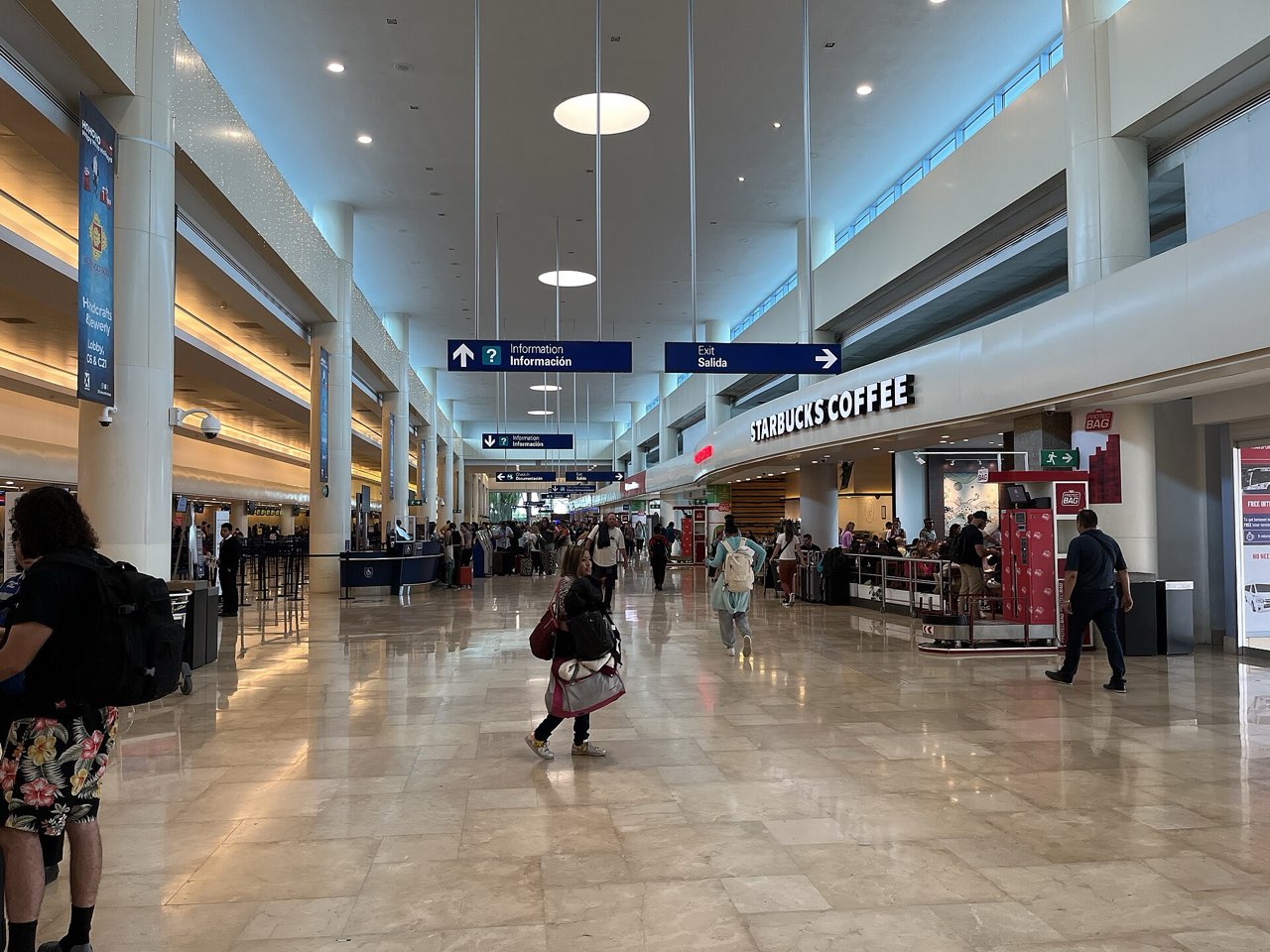
From the airport, take the ADO bus to downtown Cancun (roughly 130–150 MXN, ~30–40 min) — the full comparison of transfer options is in our airport transfer guide, but for this itinerary the bus wins outright since it lands you at the downtown terminal, steps from cheap hotels.
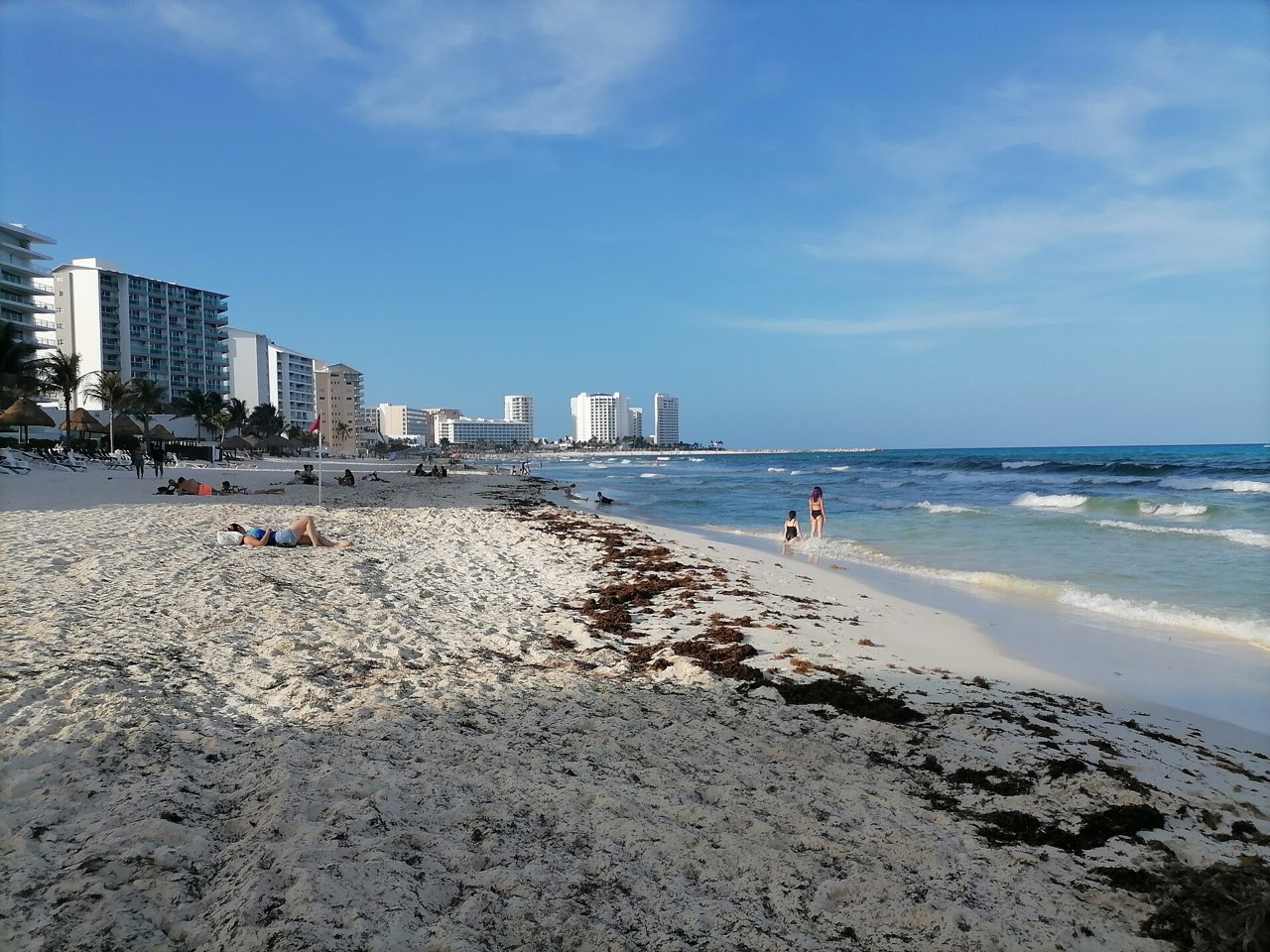
Check in near Parque de las Palapas, then spend the afternoon on a Hotel Zone beach: R1 bus (roughly 12–15 MXN) to Playa Delfines for the postcard, or Playa Tortugas for calm swimming. Evening: food stalls at Palapas, tacos on Avenida Yaxchilán. If you would rather sleep on the beach strip and pay for it, read Hotel Zone vs downtown — but this itinerary assumes downtown, which is also the launchpad for tomorrow.
Day cost (approx., per person): shoestring $40 / mid $90 / comfortable $200+
Day 2 — Isla Mujeres day trip
The best single day out of Cancun. Taxi or bus to Puerto Juárez, Ultramar ferry across (20 min), rent a golf cart, loop the island — Punta Sur cliffs, west-coast swim stops — then give the whole afternoon to Playa Norte, the calmest, prettiest swimming beach on the trip. Ferry back after sunset. The complete hour-by-hour version is in our Isla Mujeres guide.
Day cost: shoestring $30 (no cart, walk to Playa Norte) / mid $70–90 / comfortable $150
Day 3 — Move to Playa del Carmen
Morning ADO or colectivo down the coast (roughly 70–150 MXN, ~70 min). Drop bags, then orient: Quinta Avenida end to end, an afternoon on Mamitas Beach (Calle 28), fish tacos two blocks inland where prices halve. Playa is the itinerary’s hub — walkable, central, and the cheapest good mid-range lodging on the coast. Our Playa del Carmen guide covers which blocks suit which travelers.
Day cost: shoestring $45 / mid $110 / comfortable $250
Day 4 — Cozumel by ferry
Walk to the pier at the foot of Quinta, catch a morning ferry to Cozumel (roughly 35 to 45 minutes, 640 MXN (roughly $35 USD) round trip; Ultramar’s first Playa departure is 9:00 and the last boat back from Cozumel is 20:00, per its posted schedule). On the island: taxi to a west-coast beach club, snorkel the clearest easy-access water of the week (rent gear, or book a three-reef boat snorkel from the marina, roughly $40–60 USD). Late lunch in San Miguel, browse the malecón, evening boat back. Cozumel’s west side is sheltered from both surf and — usefully — most sargassum.
Day cost: shoestring $50 / mid $100–130 / comfortable $220
Day 5 — Cenote day
This is the flexible day, and the sargassum insurance: if seaweed season (roughly April–September) is hitting the beaches, the cenotes lose nothing. Flag a colectivo toward Tulum on Calle 2 and hop off at the highway entrance for Dos Ojos (cavern snorkeling, entry roughly 500–600 MXN) or Cristalino/Jardín del Edén (open-air, roughly 150–250 MXN) — the driver drops you at the gate if you ask. Go at opening to beat the tour buses; the full crowd-timing playbook and every fee ballpark is in our cenotes guide. Back in Playa by mid-afternoon for a final Quinta evening.
Day cost: shoestring $50 / mid $90 / comfortable $180
Day 6 — Move to Tulum: pueblo base, beach afternoon
Colectivo or ADO to Tulum pueblo (roughly 50–150 MXN, ~60 min). Sleep in the town, not the beach zone — the pueblo runs a third the price and the tacos are better; the Tulum guide breaks down exactly how different the two zones are. Rent a bike (roughly 150–250 MXN/day) or taxi to the beach for the afternoon: a beach-club day pass on the hotel-zone sand is the itinerary’s designated splurge (minimum consumption roughly $30–100 USD), or use the public access stretches near the north end. Sunset dinner back in town.
Day cost: shoestring $45 / mid $120 / comfortable $350+
Day 7 — Ruins at 8 a.m., then home
Be at the Tulum ruins gate for the 8 a.m. opening — clifftop Maya architecture over turquoise water, nearly empty for one golden hour before the buses arrive (INAH lists a unified fee of 265 MXN for foreign adults as of October 2026; bring cash and confirm at the gate). Swim below the ruins if conditions allow. Back to the pueblo by late morning for lunch, then the ADO direct to Cancun airport (roughly 250–400 MXN, ~2–2.5 hours). Book this bus a day ahead and leave at least four hours of total margin before an international flight; hurricane-season afternoons (June–November) can add storm traffic.
Day cost (excluding flight): shoestring $45 / mid $90 / comfortable $180
The week, totaled (approximate, per person, no flights)
| Tier | Lodging style | Weekly total (approx.) |
|---|---|---|
| Shoestring | Hostels/guesthouses, street food, no cart splurges | ~$450–700 USD |
| Mid-range | 3-star hotels/condos, sit-down dinners, all activities | ~$1,100–1,800 USD |
| Comfortable | Boutique hotels, beach clubs, boat trips | ~$2,500+ USD |
All figures are ballpark planning numbers, not quotes — season swings prices heavily, with December–April high season at the top of every range.
Packing and timing notes for the no-car version
Two things make this route dramatically easier. First, pack for colectivos: a backpack or soft duffel you can hold on your lap or wedge by your feet beats a hard-shell roller, which effectively forces you onto ADO for every hop (fine, just less flexible). Second, move in the morning: colectivos run constantly in daylight but thin out after dark, ferry queues balloon mid-morning in high season, and checking into your next base by noon converts every travel day into half a beach day. Keep a stash of small peso bills for van fares and cenote gates, screenshot your lodging addresses for drivers, and download offline maps — highway drop-offs are much less mysterious when you can watch the blue dot approach your stop.
Adjustments worth considering
- Swap Cozumel for a second cenote day if you snorkel on Isla Mujeres and want variety over reefs.
- Trade a Cancun night for a third Playa night if beaches matter more than the Isla day — though we would not.
- Flying into the new Tulum airport (TQO)? Run this route in reverse, south to north, and check current TQO transfer logistics before relying on them.
- Eight or nine days? Add Cobá ruins from Tulum or a Puerto Morelos stop mid-route (with its Ruta de los Cenotes) between Cancun and Playa.
The deeper point of the no-car version is not just savings — it is that the corridor’s transit is genuinely good, and every hop is short. You spend the week swimming, not parking.
Frequently asked questions
Can you really do the Riviera Maya without renting a car?
Yes, comfortably. ADO coaches link the airport and major towns, colectivo vans run Highway 307 every few minutes and stop at cenotes on request, and ferries handle the islands. A car only becomes worthwhile for remote cenotes or sites like Cobá on your own schedule.
How much does a week on the Riviera Maya cost without a car?
Approximate per-person ranges: shoestring roughly $450–700 USD for the week, mid-range roughly $1,100–1,800, and comfortable boutique-level travel roughly $2,500 and up — flights excluded. Transport is the cheap part; lodging tier drives most of the difference.
Should I do this itinerary north-to-south or south-to-north?
North to south. You land at Cancun airport, so starting there avoids backtracking, and ending in Tulum lets you do the ruins at 8 a.m. before an afternoon ADO bus straight back to the airport (allow roughly 3 hours for the ride plus check-in margin).
What is the difference between ADO buses and colectivos?
ADO runs scheduled, air-conditioned coaches between terminals with luggage holds — best for long hops with bags. Colectivos are shared vans that leave when full, cost less, stop anywhere on the highway on request, and are perfect for short hops and cenote stops, but they are cramped with big luggage.
Keep planning
- Cancun Airport to Your Hotel: Every Transfer Option Compared
ADO bus, private transfer, shared shuttle, taxi, or rental car from Cancun airport? We compare cost, time, and hassle, plus how to get past the terminal touts.
Updated Oct 2026 - Cancun on a Budget: Beaches, Food, and Getting Around
How to do Cancun without an all-inclusive: free public beaches, cheap downtown eats, colectivos, and low-cost activities that locals use.
Updated Oct 2026 - Cancun to Tulum: Bus, Colectivo, Tren Maya, or Private Transfer
Cancun to Tulum by ADO bus, colectivo, Tren Maya, private transfer or rental car: costs in pesos, travel times, and which option fits your trip.
Updated Oct 2026